Sarah Coles, head of personal finance at AJ Bell, comments:
“The cost-of-living crisis has just turned five, and shows signs of being every bit as tenacious and destructive as most five-year-olds. When inflation started to kick off back in August 2021, we couldn’t have known what was to come, with runaway price rises sparking interest rate hikes that had a dramatic impact on our finances. The immediate impact of the pandemic was supercharged by geopolitical turmoil that sent oil prices soaring, and has kept the pressure up ever since.
“Most of the time we measure how things change year to year, so it can be difficult to spot how much our finances have been altered over the past five. That’s why it’s worth taking stock and understanding the cumulative impact, and what it means for us. For some people there has been a silver lining, thanks to the impact on savings and annuities, but for others there have just been particularly gloomy dark clouds.
The impact on wages
“Over this period, average wages and prices have actually risen by a fairly similar amount – around 28%. However, this hides the horrible period early in the cost-of-living crisis, between spring 2022 and spring 2023, when inflation raced away and wages failed to keep pace, so our budgets were stretched ever-tighter.
“In the public sector it was even tougher, because it took far longer for wages to start to pick up after prices soared. So, for example at the start of 2022, wages in the private sector were up 8.5% over the year and in the public sector they were up just 1.7%. It took until 2023 for public sector pay inflation to overtake the private sector and start making up the lost ground.
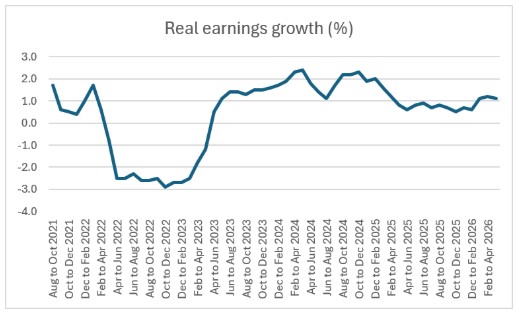
Source: ONS
What it has meant for existing pension incomes
“Prices have risen almost 29% since August 2021, which will have been a bitter blow for anyone who was already relying on a level annuity, where the income is fixed rather than tracking inflation. For example, someone with a £10,000 annual annuity income wouldn’t have seen the payments change, but their money would be spread far more thinly, because £10,000 had the spending power of just £7,770 in August 2021. It’s a demonstration of the devastating impact of inflation on level annuity incomes, which is particularly alarming given that around four in five annuities bought in 2025 were level.
“The state pension income has risen more. In August 2021 it paid £179.60 a week, whereas now it has risen to £241.30 a week – up just over 34%. This is because the past three rises were based on earnings growth, which was higher than CPI inflation at the time. The biggest bump was in April 2023, when it increased by 10.1% with prices.
“If the state pension, inflation-linked pensions, annuities or drawdown make up the bulk of your income, there’s a decent chance it kept up with inflation. Meanwhile, anyone whose retirement income is dominated by income from a level annuity will have faced a painful financial squeeze. For those with flexible income from a drawdown arrangement, the value of their pension investments will have fluctuated but strong market returns over the period ought to have offered good protection against rising prices.
Silver lining for new annuities
“For those in the market for a new annuity, this has been a particularly strong period. They tend to follow gilt yields, which usually rise with interest rates – so these shot up as rates climbed, and they have remained high ever since. They were in the doldrums back in 2021, where a healthy 65-year-old buying a level single-life annuity with a £100,000 pot might get up to around £4,900 in income a year. This climbed quickly until in 2023 you could get up to around £7,200 a year, and has risen with inflation concerns more recently to hit as much as around £7,800 in August. That’s around 60% higher than in 2021.
“However, although the number of people buying annuities when they first access their pot has risen, it’s still only used by about 10% of people at this stage. Drawdown continues to be the most popular retirement income solution, partly because retirees value the flexibility and the fact you can leave a portion of the money invested, offering a chance to keep pace with inflation. It’s why so many people consider drawdown, or a combination of drawdown and annuities as they go through retirement.
How it has affected savings
“Savers have been basking in the glow of the silver lining ever since prices rocketed and the Bank of England started stepping up rates. In August 2021 rates were at just 0.1% and after they started climbing in December, they swiftly rose from 0.25% to 5.25% by August 2023 – where they spent the following year.
“Savings rates followed suit. The average new fixed rate savings account, according to the Bank of England, was offering 0.25% in August 2021, 1.78% a year later and 5.1% in August 2023. It peaked at 5.23% in October 2023. Unsurprisingly, the mini-Budget of September 2022 sparked the steepest rise in average fixed rates, but the pace was rapid across the period. The average has fallen back to 4.27%, but remains strong thanks to competition in the market.
“Rates are expected to rise again in the coming months, but this isn’t likely to be a re-run of the savings glory years. Two rises are being pencilled in by the end of next spring, so savings rates could pick up. However, an awful lot depends on uncertain global politics, so savers shouldn’t hang on in the hopes of seeing rates surge again. If you need a fixed rate deal, there are plenty of strong rates around right now.
How mortgages have changed
“Mortgage borrowers have seen costs climb alarmingly over the past five years. Bank of England figures show that the average mortgage rate on new deals rose from just 1.82% in August 2021 to a peak of 5.34% in November 2023. The most eye-watering hikes came in the aftermath of the mini-Budget in September 2022, when the mortgage market reeled from the bond yield surge, pushing swap rates through the roof.
“Depending on whether they had a fixed or variable rate mortgage, when they fixed and how long they fixed for, this could have been a spectacularly painful period for borrowers. Someone with a £200,000 repayment mortgage over 25 years at 1.82% could expect to pay £831 a month. Meanwhile, someone with the same mortgage at 5.34% could expect to pay £1,209 – that’s almost 50% more.
“Rates have fallen since the peak, trending downwards from the end of 2023 to spring this year. They’ve climbed since, in the wake of the Iran war, to an average of 4.35%. If rates rise very slowly as expected into the spring next year, we’re likely to see mortgage rates remain higher for longer. It’ll take a calmer world with fewer inflation fears before falls are on the cards.
“It means anyone on a variable rate deal shouldn’t hold their breath for life to get cheaper, and anyone on a fixed rate mortgage who is coming up for a remortgage should hedge their bets. You can agree a rate up to six months before your deal expires, and if rates rise as expected you have locked in a bargain. If rates surprise on the downside, and better deals emerge, you can still shop around closer to the time.”
|