New findings reinforce need for Government to encourage more planning for later life care. Most over-45s are unaware of the true cost of funding a care home place according to new research that reinforces the need for the government to become more proactive helping people plan for the prospect of needing care in later life.
Research for the Just Group Care Report 2025: Social Care Reform - Stuck in the Waiting Room, reveals the massive underestimation of the cost of going into care. It reveals that 85% of those who had previously helped find care for a loved one were shocked at the cost.
The data from the 13th edition of Just Group’s annual research, the UK’s longest running study tracking the knowledge and attitudes of social care among people aged 45+, shows that more than half (60%) think the cost of year’s residential care is less than £60,000, significantly lower than industry estimates for self-funders of £66,456.
How much people aged over 45 estimate a year’s residential care costs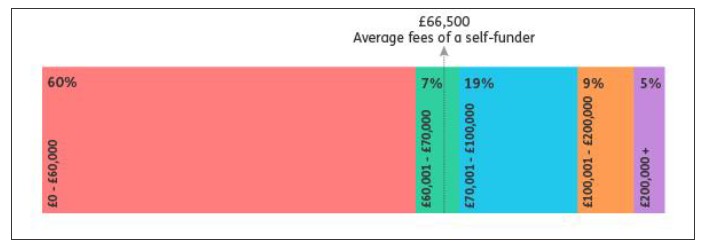
More than three in 10 (31%) expected the cost would be up to £30,000 a year, less than half the true figure. About a third of people (32%) estimated the cost at more than £70,000 a year.
Stephen Lowe, group communications director at Just Group, said: “Year after year, our Care Report shows people are unprepared for the true cost of care and those who do have experience of the system are left shocked at the level of fees when they come to help loved ones find a residential home. With an estimated four in five people aged 65+ likely to require some level of care before they die3, millions of families are sleepwalking towards a nasty shock.
A combination of the failure of successive governments to grasp the nettle on care funding reforms and a sense that planning for care is too depressing has caused people to tune out of the social care issue. With the recommendations of the newly established Casey Commission on care funding years away, the Government has a responsibility to make clear what the current rules are and ensure people understand their financial responsibilities for later-life care. Too often people are left grappling with unexpected and large financial costs at a time of crisis. Our view is that the Government must support people dealing with the system as it is now, not how it might be in the future, by clarifying its contribution to care costs and creating a ‘Care Wise’ guidance service to encourage people to plan ahead.”
|





.jpg)







(2).jpg)