A new study by data and AI leader SAS demonstrates how generative AI can fabricate convincing crash scenes in seconds, closely mirroring the tactics fraudsters and organised crime groups are already using to deceive insurers.
According to the Insurance Fraud Register, insurance fraud has now led to an average increase of £50 on consumer annual policies - while the average cost of a fake claim has now hit £84,000, with one in seven claims proven to be fraudulent, according to Adyen.
To expose how easily the human eye can be fooled, SAS asked generative AI to create doctored insurance images. Two of the three images below are fake, but are you able to tell which ones?
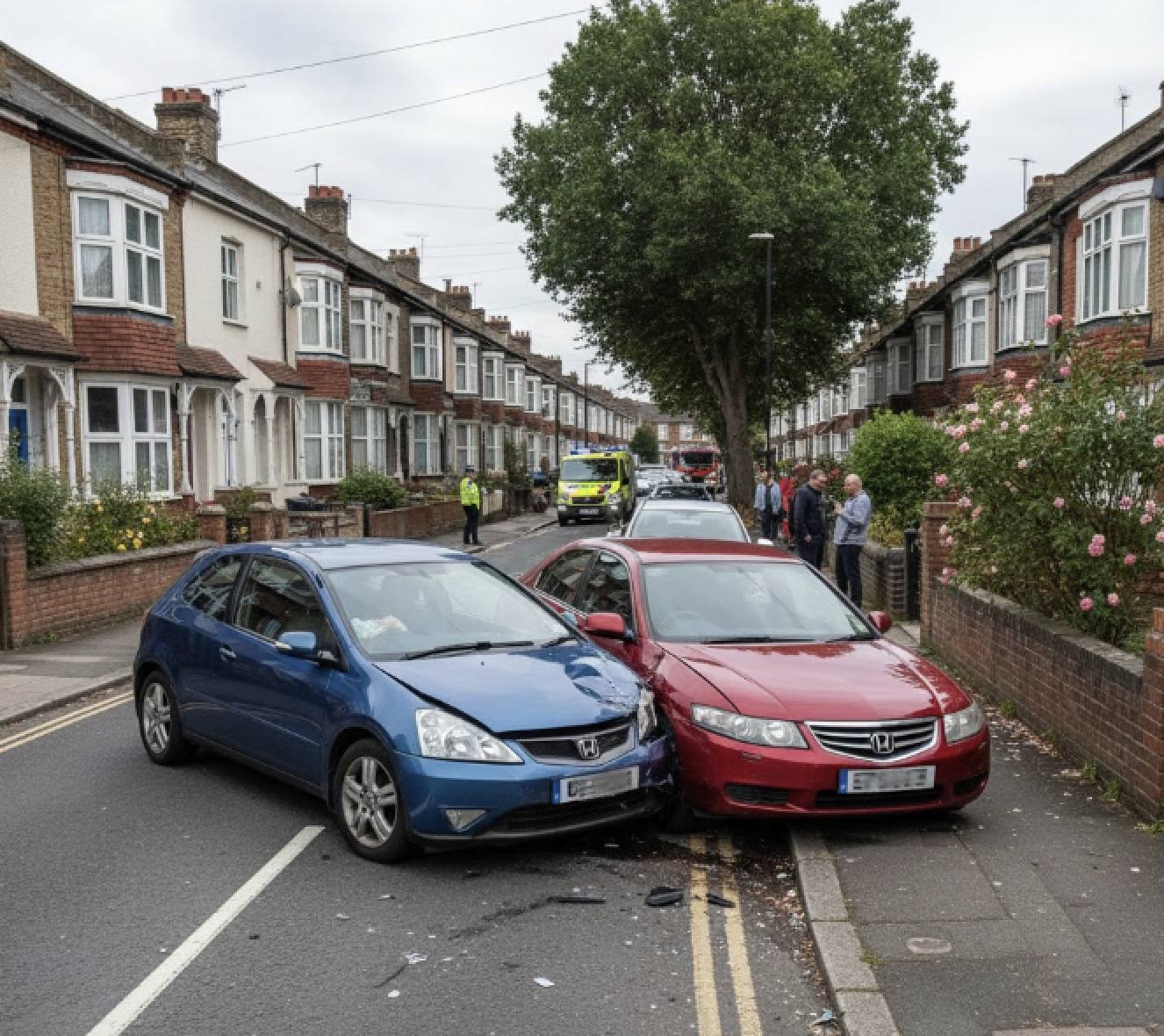
Image 1 - Car collision
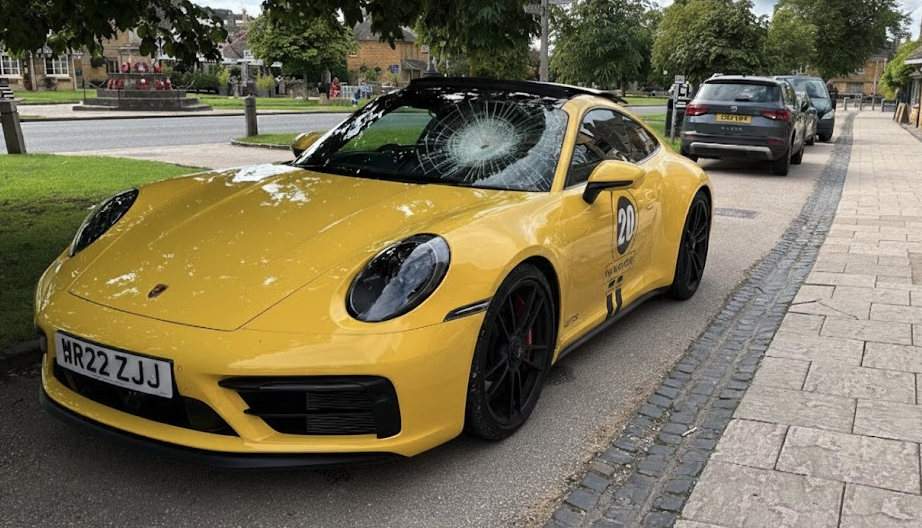
Image 2 - Car with broken windscreen
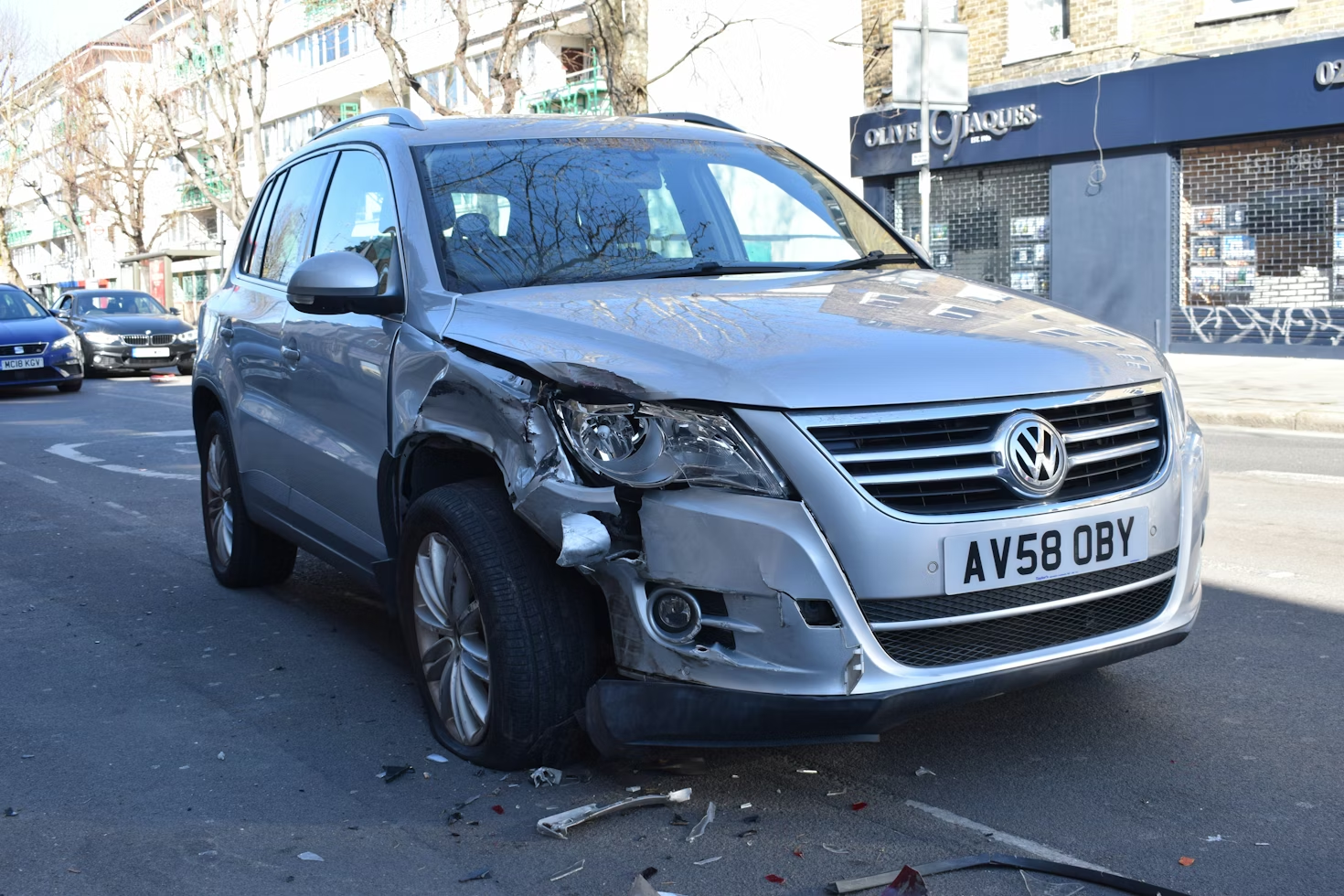
Image 3 - Car with broken lights and bumper
Answers
Image 1 - AI-generated
Image 2 - AI-doctored
Image 3 - Real
At first glance, Image 1 appears to be a perfectly ordinary collision scene. In reality, the entire photo is synthetic, created using a prompt for a collision on a suburban English street.
Image 2 looks even more convincing, and the image of the yellow car is real. But bystanders have been removed, number plates have been altered, and the digitally added windscreen damage is all the work of AI. By erasing contextual clues - like people and surrounding cars - fraudsters can remove the very evidence insurers rely on.
Adam Hall, Insurance Fraud Specialist at SAS, said: “Fraudsters are exploiting generative AI tools to make fabricated damage and doctored scenes look entirely plausible. With just a few prompts, they can create, enhance or erase visual evidence to support a false insurance claim.
“People should look for subtle inconsistencies - shadows that fall the wrong way, damage that doesn’t match the impact, blurred number plates, or backgrounds that appear too clean or empty. These tiny visual mismatches are often the first red flags of an AI-generated claim.
“But AI isn’t just empowering fraud - it’s also helping insurers fight back. AI and machine learning can detect both one-off scams and sophisticated, organised networks. By analysing huge volumes of claims data, AI can be used to reveal anomalies and patterns that humans simply can’t - reducing losses, improving accuracy, and safeguarding customers.
“As fraudsters adopt new techniques - fake identities, forged documents, digital-first scams - AI evolves too. It can review and retrain models, absorb new data sources, and deliver more accurate risk scoring to keep insurers one step ahead.”
Readers can see the full report here.
|