The upcoming pensions IHT change in April 2027 is having a wider impact on pensions confidence despite the majority of adults being unaffected, new research from Standard Life finds.
Around half (49%) of adults say their confidence in pensions remains unchanged, but just over a fifth (22%) say this has reduced since the new rules were announced in the 2024 Autumn Budget.
The change comes against a backdrop of a “perfect storm” for IHT of a frozen nil-rate band (until April 2031) and rising asset values. IHT receipts are projected to increase from £8.7bn in 2025/26 to £14.5bn in 2030/31.
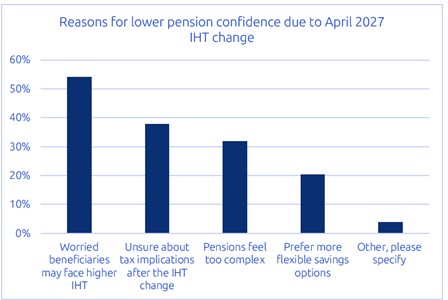
For those with lower pension confidence, passing on a higher IHT burden tops concerns. This is followed by uncertainty on the new rules and complexities around pensions more generally.
Standard Life research: Q: You mentioned you have less confidence in pensions because of the upcoming inheritance tax (IHT) rule change. Why is that? Base: 460 (weighted to be nationally representative)
Overestimating IHT liabilities
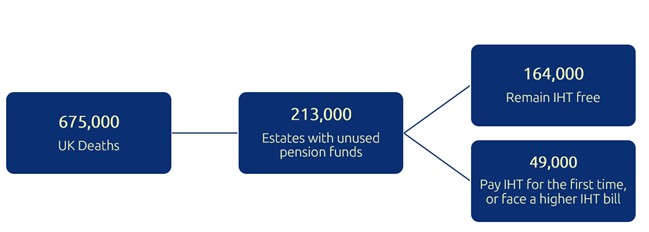
Forecasts suggest that in 2027/28, around 213,000 estates will include unused pension funds, representing almost one in three deaths in the UK. However, despite the introduction of new IHT rules, more than three-quarters of these estates (~164,000) are still expected to pass on their pension savings free from IHT. The remaining estates are expected to face a financial impact, either because they become liable for IHT for the first time or because they will pay a higher tax bill.
Most estates with unused pension funds will fall below the available IHT thresholds, including the Nil Rate Band and Residence Nil Rate Band, or assets will pass to a surviving spouse or civil partner, who are typically exempt from IHT. For married couples and civil partners, the combined IHT allowances can allow up to £1 million to be passed on tax-free when a main residence is included.
Impact of pension IHT change on estates in 2027/28
Over time, the number affected is likely to rise as frozen IHT thresholds and growing asset values gradually drag more estates into paying IHT. However, the change is most significant for those who had planned to preserve pension assets for IHT purposes, rather than draw on them to provide retirement income. Effective retirement saving and decumulation strategies can help people make the most of their pension wealth and achieve their long-term retirement goals.
Neil Jones, Tax and Wealth planning specialist at Standard Life said: “There is a real risk that the upcoming IHT change could undermine confidence in pensions, with some people considering alternatives for their long-term savings. The research is a timely reminder for the new Prime Minister that even seemingly technical changes to pensions and savings rules can seep into the public consciousness and influence behaviour. Pensions are a long-term investment, often built over decades, so people need confidence that the rules supporting retirement saving will remain stable. Moving away from pensions could mean sacrificing a sustainable retirement income to avoid a tax people may never pay.”
Impact of pension pausing
Individuals thinking about pension changes should consider the future impact on retirement income. Standard Life analysis shows that an employee in their mid-20s earning £25k could lose out on £5,014 in today’s money terms at retirement age from pausing pension contributions for just one year, if contributing the auto-enrolment minimum. Pausing for 5-years could means losing out on £24,715.
Total retirement fund at age 68 for 25-year-old
Standard Life analysis: assumes £25k starting salary, 3.50% salary growth/yr, and 5%/yr investment growth (less annual management charge of 0.75%). Figures shown in real term accounting for 2% inflation. Fund starting at £0 aged 25. 8% pension contribution on full salary. Values are used as an illustration and are not guaranteed.
Neil Jones continues: “Pensions are central to retirement planning and one of the most tax efficient ways to build retirement savings. This won’t change post April 2027. They carry the triple benefit of pensions tax relief, long-term gains from compound interest, and employer contributions for eligible employees. Those considering alternatives should carefully weigh up any long-term impact before making decisions.
“Those who think they might be impacted should speak to a qualified professional such as a financial adviser or estate planner. For this group, the benefits of pension saving may still outweigh any potential IHT implications, but an adviser will be able to support with each individual circumstance.”
|